


From January 21st to 25th, 2026, Madrid hosted the International Tourism Trade Fair (FITUR, Spanish acronym), the most influential event in the global tourism sector. With the participation of 161 countries, this edition marked a milestone for Mexico, which assumed the role of Partner Country, consolidating its position as an international tourism powerhouse.
At Mktideas Agency, we attended FITUR 2026 to analyze, from a strategic perspective, how destinations are communicating their brand value and what trends are redefining tourism marketing, design, and digital experience.
When design becomes experience
FITUR 2026 was spread across nine pavilions: five dedicated to world regions, one specializing in industry knowledge, another for tourism companies, and two main pavilions: Spain, as the host country, and Mexico, as the Partner Country.
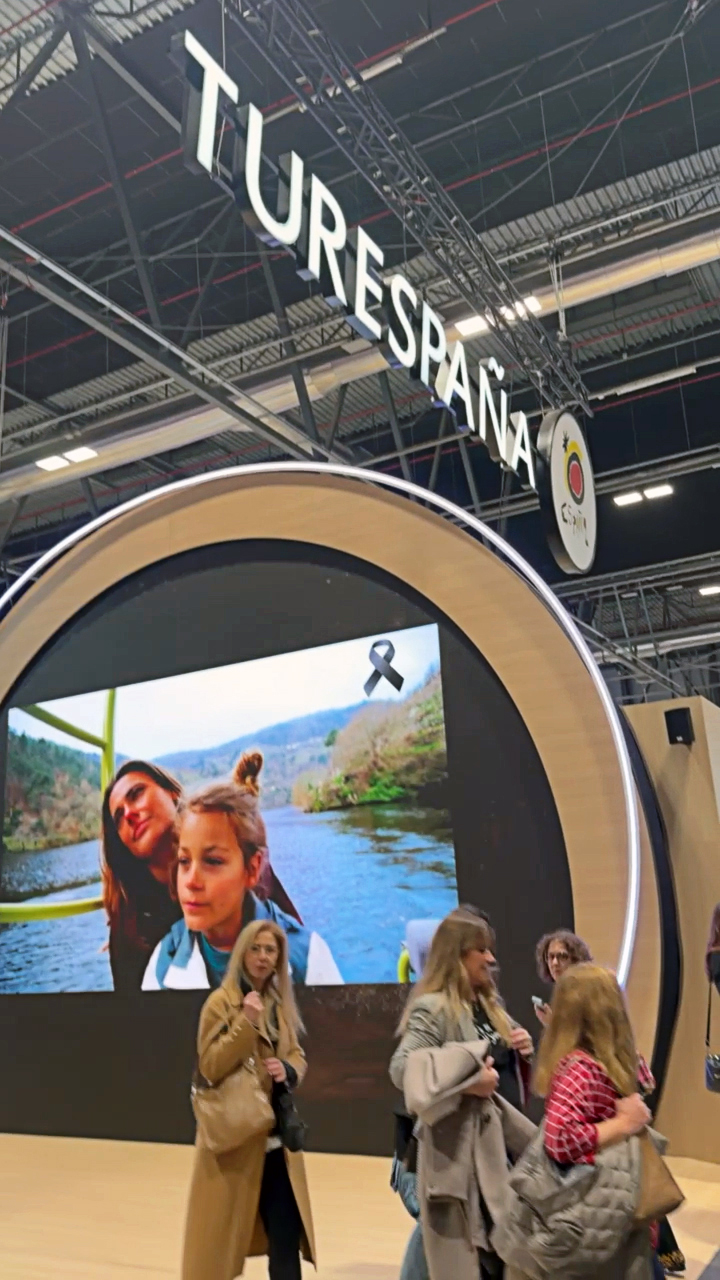
Spain stood out for the visual and conceptual strength of its autonomous communities’ stands, achieving a balance between regional identity and national narrative.
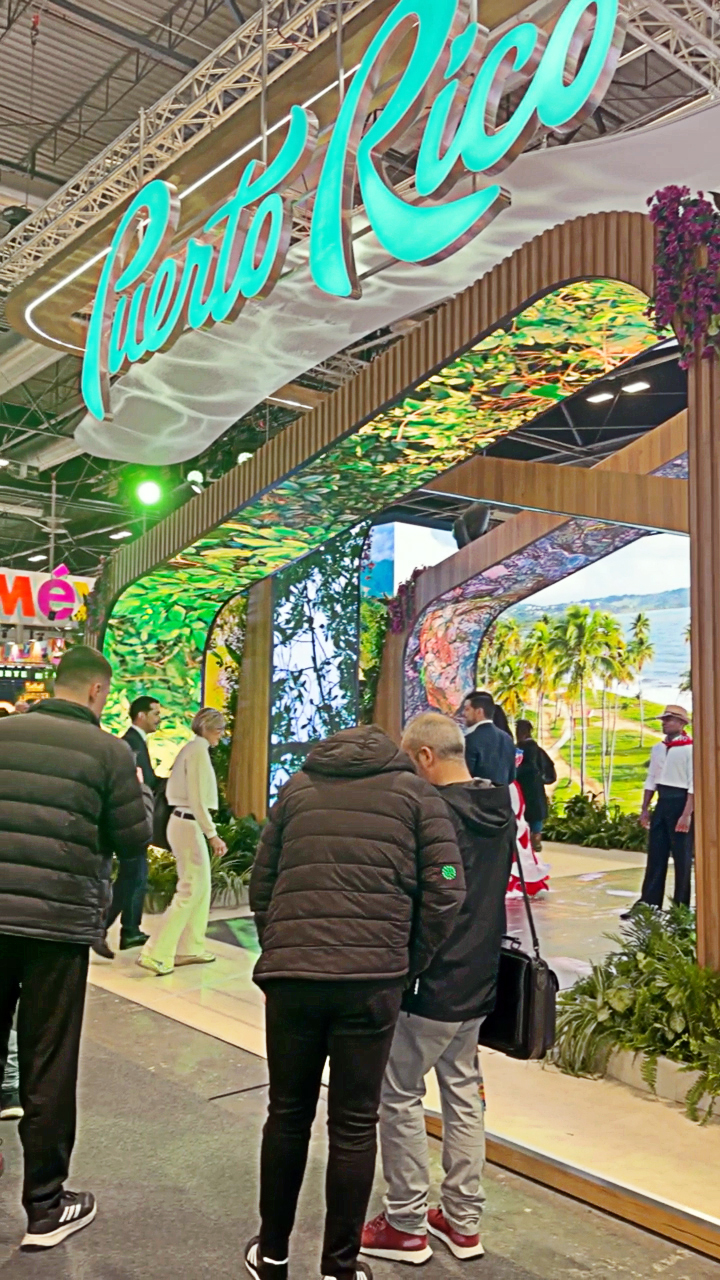
Among the international stands, Puerto Rico and the Dominican Republic excelled in their focus on immersive experiences.
Puerto Rico opted for an immersive design, with screens integrated into the stand’s architecture that created a sense of total immersion in the destination. The space felt welcoming, human, and consistent with its identity.
The Dominican Republic presented a highly visual proposal, designed to connect emotionally with visitors and reinforce the desire to travel through clear sensory stimuli and an aspirational narrative.
In both cases, visual communication ceased to be merely decorative and became a strategic tool for positioning and conversion.
Mexico at FITUR 2026: An unprecedented national narrative
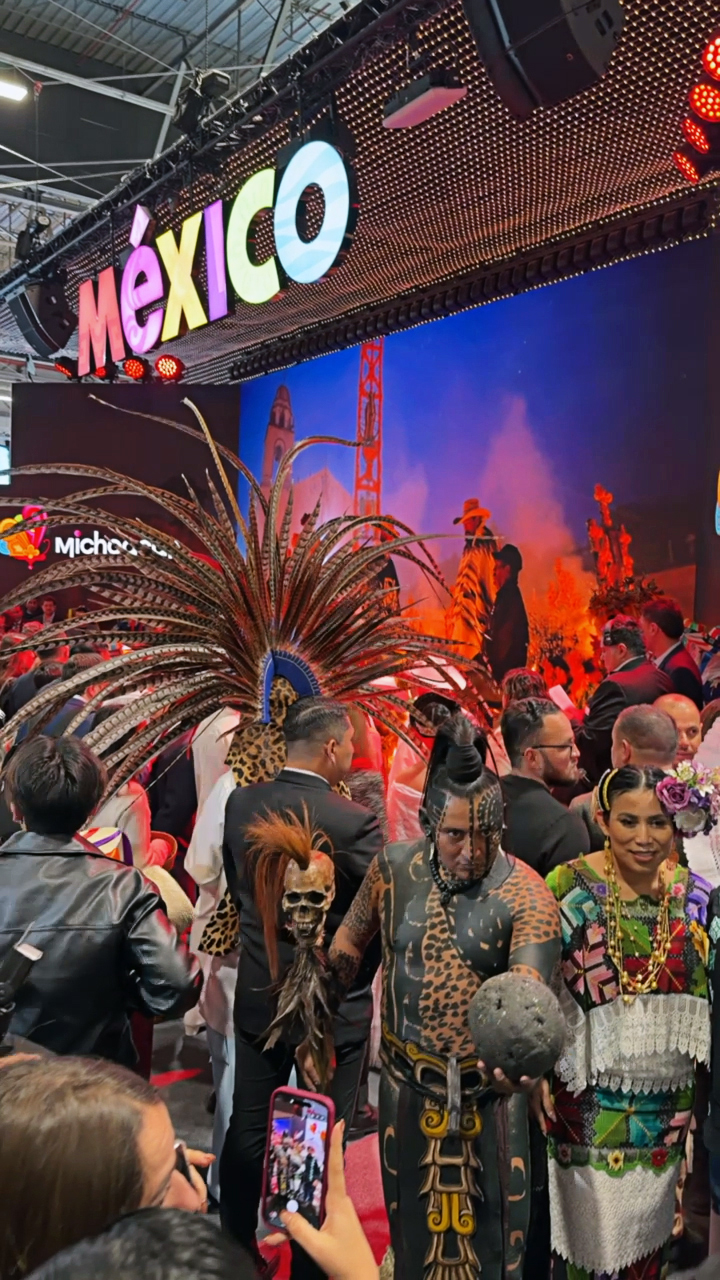
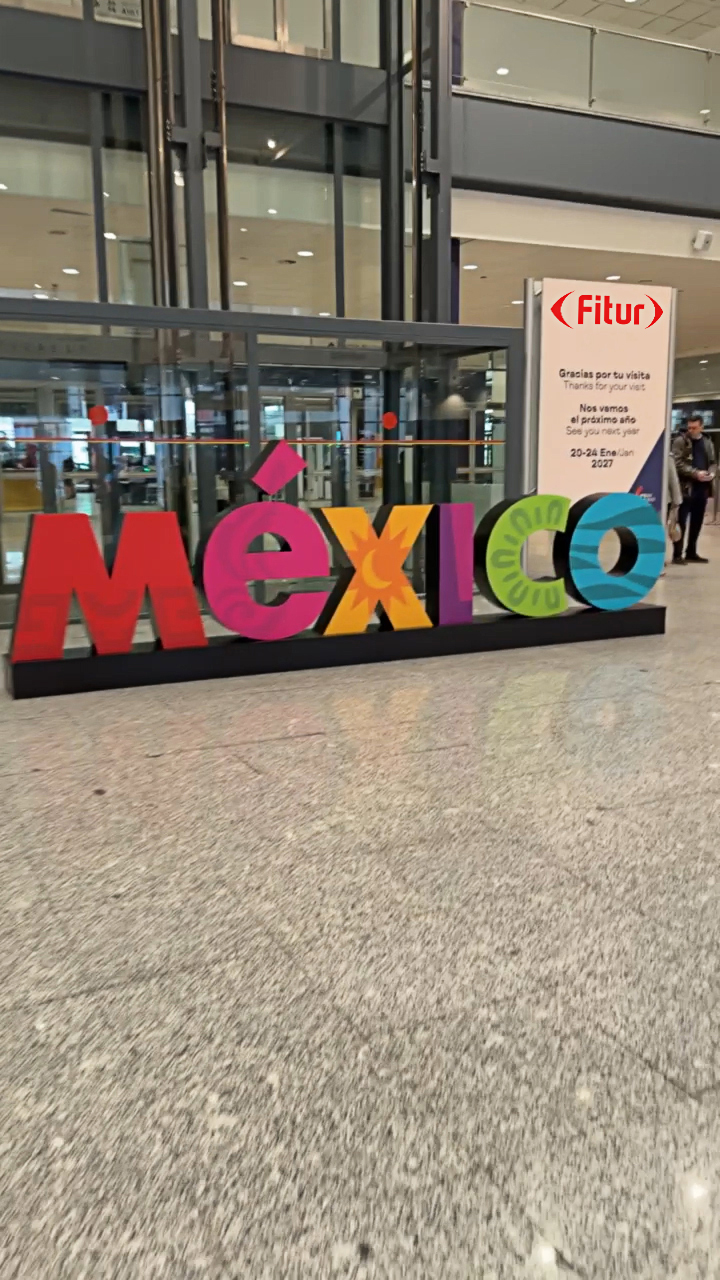
The Mexican pavilion achieved a historic milestone: for the first time, all 32 states of the Republic were represented in a single space. This unified effort allowed for the projection of a diverse, culturally rich, and connected Mexico.
The experience was intense and dynamic. The high density of visual elements and the constant flow of attendees generated a vibrant, though at times overwhelming, atmosphere. Even so, it was possible to appreciate handicrafts, gastronomy, regional costumes, natural destinations, and urban developments.
Mexico not only showcases tourism. It presented its identity, infrastructure, and vision for the future. The prominence of the Maya Train as a connectivity axis reinforced a message of modernity and accessibility, especially relevant for the European market.
Social media and direct channels
Instagram continues to be an aspirational platform, TikTok is consolidating its position as a discovery engine, and WhatsApp, along with proprietary apps, is strengthening as a key channel for conversion and loyalty, reducing dependence on OTAs.
Immersive design and storytelling
The design adopts immersive interfaces and a visual language inspired by organic minimalism.
Storytelling is consolidating as the dominant strategy: destinations are no longer showcased; stories are told to the purposeful traveler.
Conclusion
As a Partner Country, Mexico achieved unprecedented visibility at FITUR 2026, projecting a tourism leadership image rooted in innovation, connectivity, and cultural identity.
For Mktideas Agency, this edition reaffirms that the future of tourism marketing is built on:
- strategic design,
- immersive technology,
- and purposeful storytelling.
FITUR didn’t just showcase destinations. It showed where the industry is headed

 mktideasagency


